
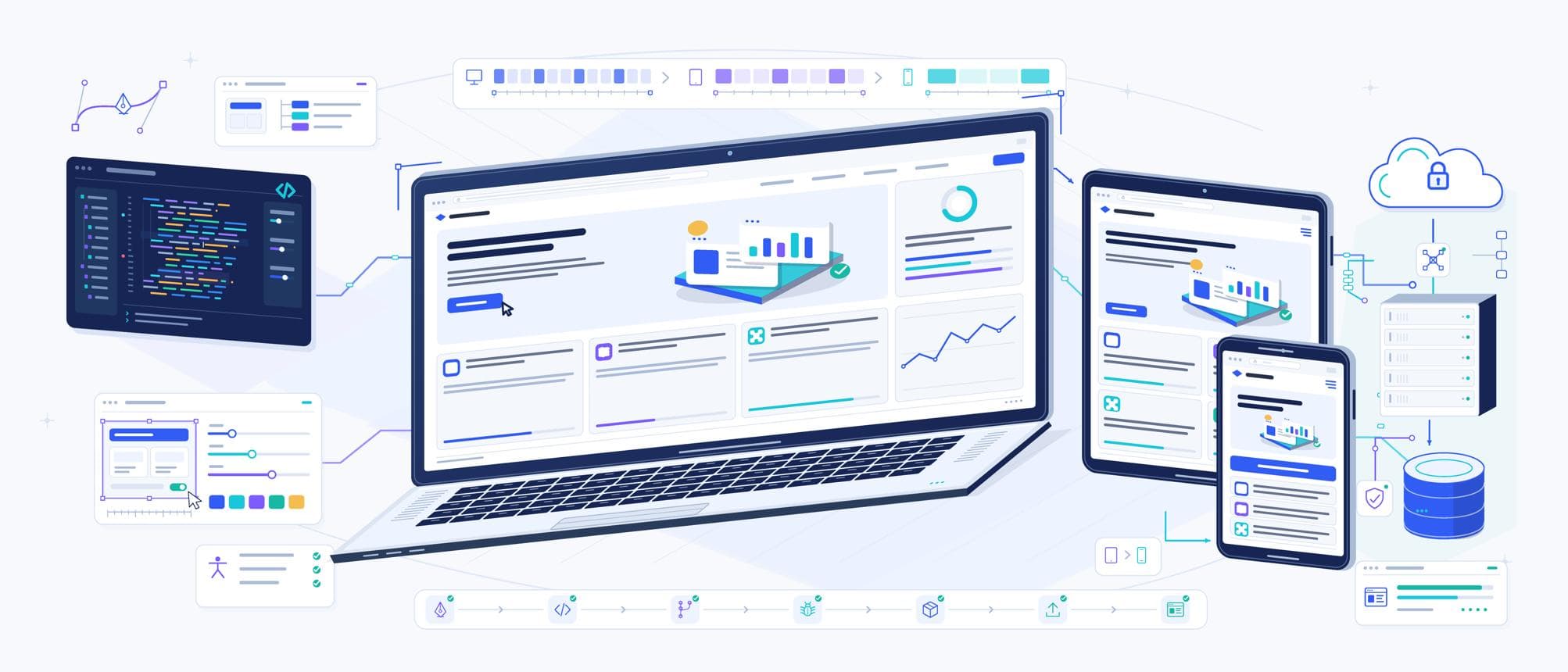
Finding the right web building companies can be challenging when every provider promises attractive designs, modern technology, and a professional online presence. The real question is which company can build a website that meets your business needs, serves your customers, and remains useful as your business grows.
Your website may be the first place potential customers learn about your products or services. A confusing layout, slow loading pages, or unclear contact information can make it harder for visitors to take the next step.
Choosing a website development partner requires more than comparing prices. You need to understand what your business needs, evaluate the provider's approach, and check what happens after the website goes live.
What Do Web Building Companies Do?
Web building companies help businesses create, improve, and maintain websites. Depending on the project, their services may cover planning, design, programming, content management, search engine optimisation, testing, and technical support.
Common services include:
Business website development: Websites that explain your services, establish credibility, and generate enquiries.
Custom web development: Tailored features and functionality for specific business requirements.
E-commerce development: Online stores with product catalogues, shopping carts, and payment integrations.
Responsive web design: Layouts that work across mobile phones, tablets, and desktop computers.
SEO-friendly development: Technical and structural practices that help search engines understand your website.
Website maintenance: Updates, bug fixes, security improvements, and ongoing technical support.
Before contacting providers, review the website development services available for your project type. This will help you prepare a clearer brief and compare proposals more effectively.
Why Does Your Business Need the Right Website Development Partner?
A website should do more than display your company name and contact details. It should help visitors understand your offer and decide whether they want to work with you.
Here are four common business challenges a suitable development partner can help address.
1. Your Website Does Not Reflect Your Business
An outdated design, confusing navigation, or inconsistent branding can make your business appear less professional than it is.
A good development process begins by understanding your audience, services, and business goals. The resulting website should make important information easy to find and guide visitors towards relevant actions.
2. Your Website Is Difficult to Use on Mobile
Many customers browse websites on their phones. If text is difficult to read, buttons are hard to tap, or pages require horizontal scrolling, visitors may struggle to use the site.
Ask potential developers how they test websites across screen sizes and devices. Responsive design should be considered from the planning stage, rather than added as an afterthought.
3. Your Website Is Not Search-Friendly
A visually appealing website may still have problems with indexing, page structure, metadata, or content organisation.
Google's SEO Starter Guide explains practical ways to make websites easier for search engines to understand. Discuss these fundamentals with your development provider before the project begins.
Remember that SEO-friendly development supports search visibility but cannot guarantee rankings or organic traffic.
4. You Need Features That Standard Templates Cannot Provide
Some businesses need more than standard pages. They may require booking systems, customer dashboards, API integrations, product filters, or automated workflows.
In these situations, custom web development can help create functionality around your actual business processes instead of forcing your team to work around a template's limitations.
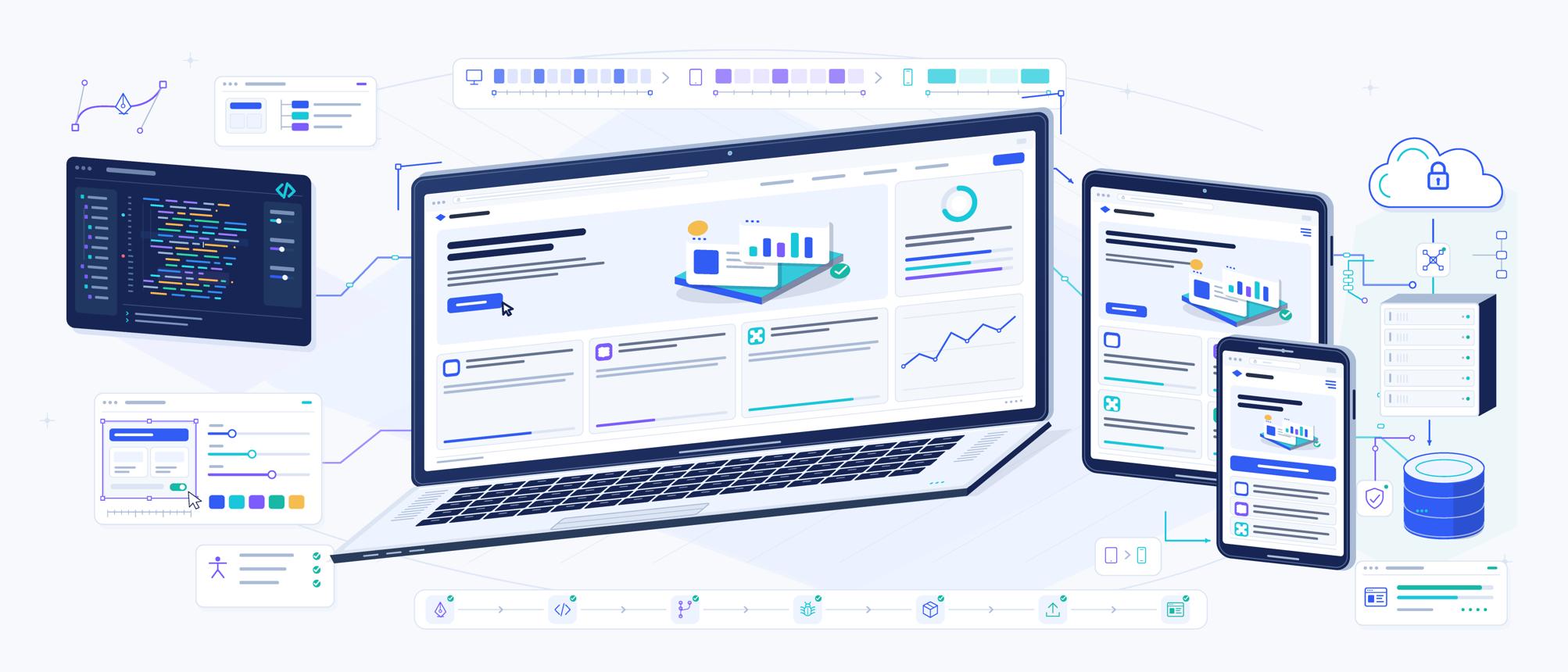
How to Choose the Best Web Building Companies
Use the following steps to evaluate potential development partners before signing a contract.
Check the Portfolio and Relevant Experience
Review websites the company has built and look beyond screenshots. Visit the actual websites to check their navigation, mobile experience, page loading, and functionality.
Look for experience relevant to your project. A company that builds informational websites may not automatically be the best fit for a complex online store or web application.
Understand the Development Process
Ask how the company handles each stage:
Requirement gathering and planning.
Website structure and design.
Development and content integration.
Testing and quality checks.
Launch and post-launch support.
A clear process helps you understand what you need to provide, when feedback is required, and how changes will be handled.
Evaluate Performance and Accessibility
A website should be usable, responsive, and reasonably fast under real-world conditions.
Ask how the provider measures performance. Google's PageSpeed Insights can help assess mobile and desktop performance and identify potential improvements.
Accessibility also matters. The W3C Web Content Accessibility Guidelines provide guidance for making web content more accessible to people with disabilities.
Compare Proposals, Not Just Prices
Ask each provider for a written proposal that outlines the project scope, included pages, features, design responsibilities, timeline, payment terms, and ongoing costs.
A lower initial quote may exclude important functionality or maintenance. A higher quote may include services you do not currently need.
Compare what you will actually receive before deciding.
Confirm Ownership and Ongoing Support
Before the project starts, clarify who will own the website's code, content, domain, and other project assets. Confirm access to hosting, analytics, and relevant administrator accounts.
Also ask about bug fixes, security updates, backups, and support after launch. Website maintenance services can be important for keeping your website functional as your business changes.
Website Development Options Compared
Different approaches suit different business requirements. The right choice depends on your budget, timeline, technical needs, and plans for future growth.
Option | Best suited for | Main consideration |
|---|---|---|
DIY website builder | Simple websites with basic requirements | Limited flexibility for some advanced features |
Ready-made template | Businesses needing a standard website structure | Customisation depends on the platform and template |
Freelance developer | Clearly defined projects requiring individual expertise | Availability and support arrangements vary |
Web development company | Businesses needing coordinated design, development, and support | Scope, team structure, and pricing vary by provider |
Custom web application team | Complex workflows and specialised functionality | Requires detailed planning and ongoing technical oversight |
No single option is best for every business. Compare providers against your requirements instead of relying only on company size or marketing claims.
What Affects the Cost of Hiring Web Building Companies?
Website development costs vary because projects differ in scope and complexity. A basic business website generally requires less work than an online store with custom integrations or a web application with multiple user roles.
Important cost factors include:
Number of pages: More pages may require additional design, development, and content work.
Design requirements: Custom layouts and interactive elements can increase the workload.
Functionality: Booking systems, dashboards, payments, and integrations require additional planning and testing.
Content and SEO: Copywriting, image preparation, metadata, and technical SEO may be separate services.
Maintenance: Hosting, updates, backups, and support can create ongoing costs.
Before accepting a quote, review this guide to website development costs in India. Use it to prepare questions about your budget and the work included in each proposal.
Request an itemised estimate that separates one-time development expenses from recurring costs. This makes it easier to compare proposals fairly.
How SiteGrowza Can Help With Your Website Project
SiteGrowza provides website development and digital solutions for startups, small businesses, and growing companies.
The appropriate project approach depends on your goals. A service-based business may need clear service pages and enquiry forms, while an online retailer may require product management, checkout functionality, and payment integration.
A useful starting point is to identify the website's purpose, its essential features, and the tasks visitors should be able to complete. From there, you can prioritise the design, development, performance, and SEO requirements that support your business.
Avoid paying for unnecessary features before you understand their value. A well-planned website can start with the essentials and expand when your needs become clearer.
Final Thoughts: Choose a Web Building Company That Fits Your Goals
The best web building companies for your business are those that understand your requirements, explain their process clearly, and build around your customers' needs.
Evaluate portfolios, compare detailed proposals, check mobile usability and performance, and confirm ownership and support arrangements before making a decision.
If you are planning a new website or improving an existing one, explore SiteGrowza's website development solutions to understand how the right development approach could support your next stage of business growth.